

Puncture Repair vs Tyre Replacement: How to Tell the Difference and Make the Right Choice
A small puncture can quickly turn into a costly problem if you don’t spot the signs early. Knowing how to tell the difference between puncture repair and tyre replacement saves you money and keeps your car safe on the road. This guide breaks down simple tyre repair tips and car tyre care advice to help you make the right choice before you hit the road again. For more information, visit O&A Tyres.
How to Tell the Difference
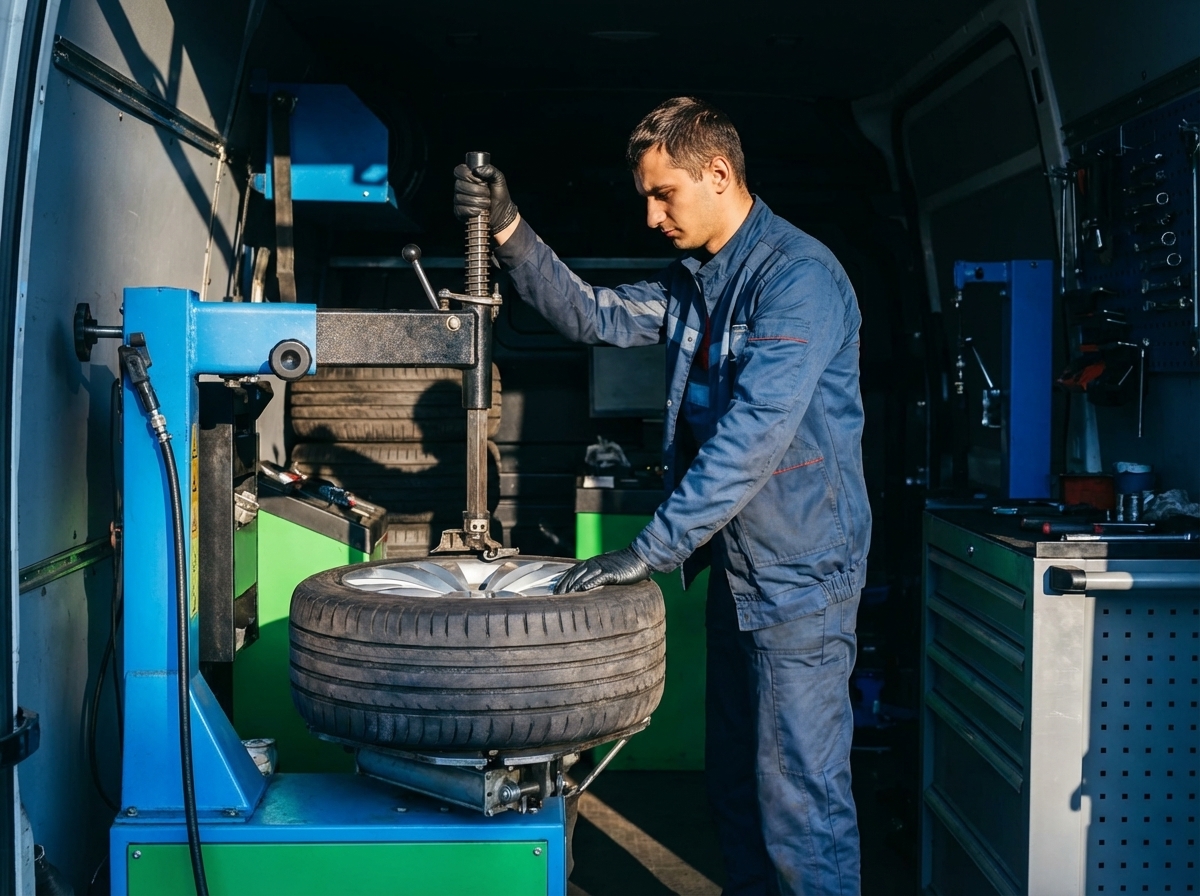
Knowing whether your tyre needs a quick fix or a full replacement can save time and money. Here’s how to spot the signs.
Signs of Puncture Repair
A small puncture might be all it takes to disrupt your drive. Look for a nail or screw stuck in the tread. If you find one, your tyre might still be repairable. But only if the damage is within the tread area and the hole is no bigger than 6mm.
Check the tyre pressure regularly. A sudden drop can mean a puncture. If the tyre can hold air after patching, a repair might be all you need. Most people think any puncture means a new tyre, but that’s not always true. A quick repair can get you back on the road safely.
For helpful insights, see this discussion on tyre repairs.
Indicators for Tyre Replacement
Sometimes, a patch isn’t enough. If the sidewall has damage, it’s time for a new tyre. The sidewall carries the weight of the car, and repairs won’t hold. Another red flag is when the tread is worn down. If the tread depth is less than 1.6mm, you’re driving on borrowed time.
Uneven wear can also signal replacement. It happens when tyres are not aligned properly. Have you felt a wobble while driving? That could be uneven wear talking. A tyre replacement is a safer bet in these cases.
Key Tyre Repair Tips
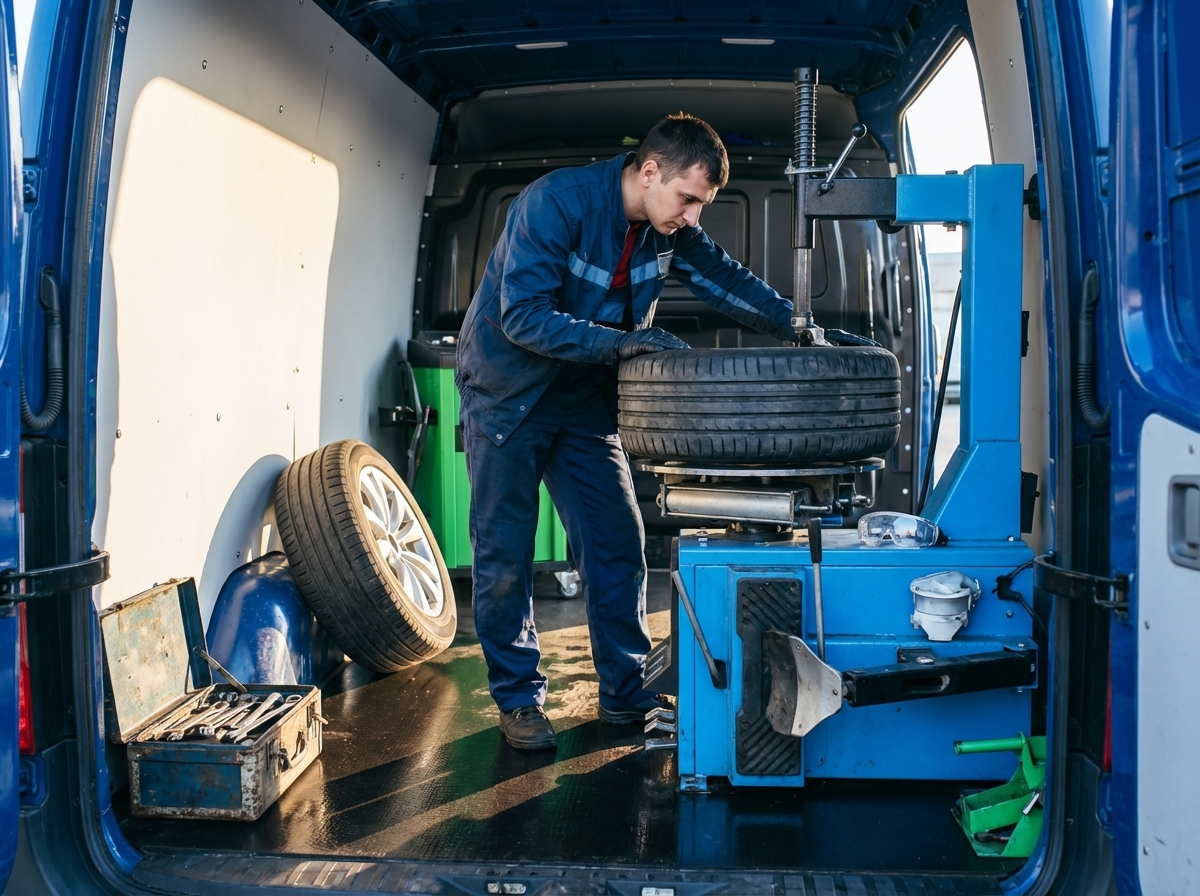
Fixing tyres doesn’t have to be daunting. These tips will make sure you’re ready next time you find yourself with a flat.
Quick Puncture Fixes
A simple fix is often enough to get you rolling again. Keep a puncture repair kit in your car. It’s easy to use and can save you time. Start by pulling out the nail or screw. Use the kit to patch the hole, and don’t forget to reinflate the tyre.
If the damage is small and you’re not sure, a professional can advise. A small repair can last as long as the tyre if done right. You can find more detailed guides at Mr. Automotive.
Reliable Tyre Replacement Options
Sometimes, replacement is the only choice. Know your options before making a decision. New tyres are the safest but can be pricey. If budget is a concern, part-worn tyres offer good value and are checked for safety.
Choose a trusted service provider to avoid hidden costs. At O&A Tyres, we offer transparent pricing. Avoid the hassle of garage visits with our mobile service.
Importance of Tyre Maintenance
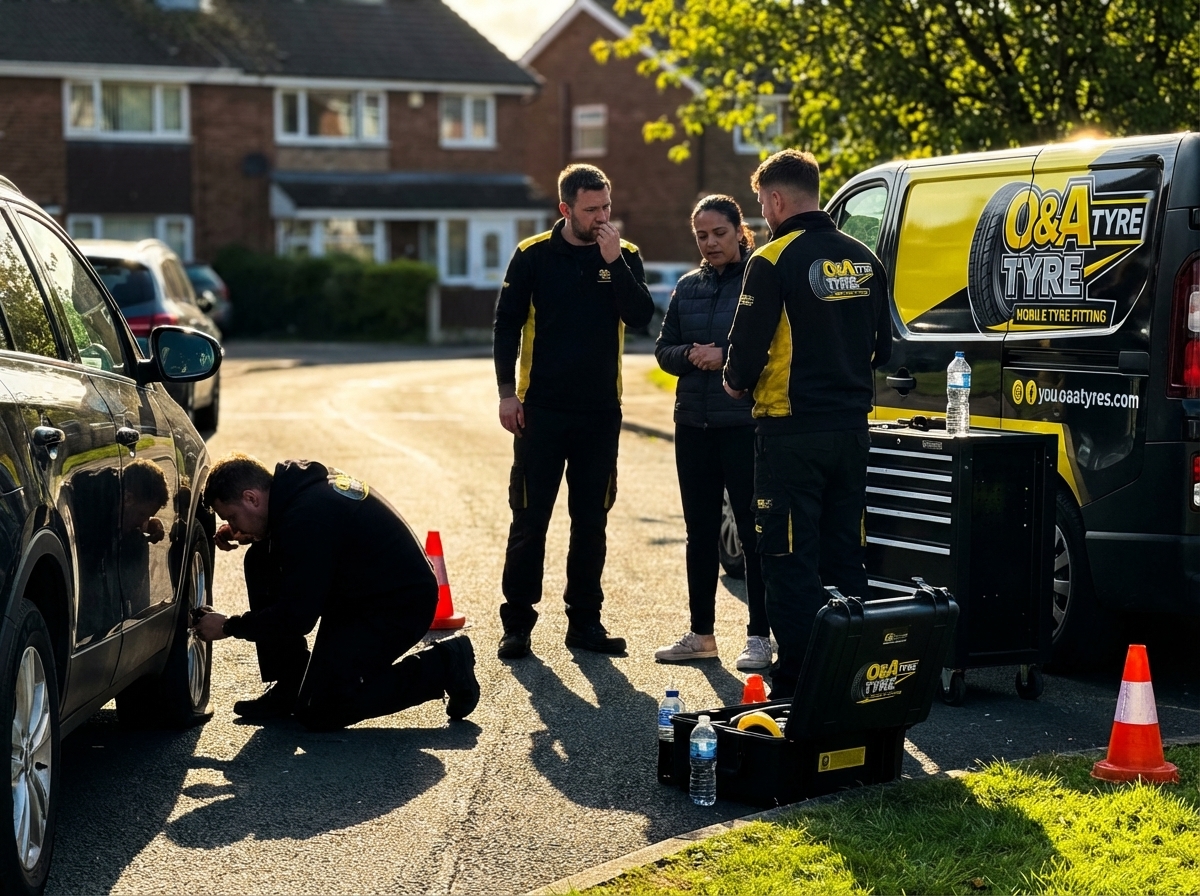
Keeping tyres in top shape is about safety and savings. Regular checks prevent bigger issues down the road.
Regular Car Tyre Care
Check your tyres every month. Look for cracks, cuts, or bulges. These can lead to sudden failures. Rotate your tyres every 6,000 to 8,000 miles to ensure even wear. Proper care extends tyre life and improves fuel efficiency.
Most people ignore tyre pressure until it’s too late. Keep a gauge handy and check pressure monthly. It makes a big difference in safety and handling.
When to Seek Professional Help
There are times when calling a pro is best. If you notice persistent low pressure, it might be a slow leak. Professionals have the tools to inspect for hidden damage.
If you’re unsure about the tyre’s condition, get expert advice. Driving on compromised tyres is risky. Trust your instincts; when in doubt, call the experts at O&A Tyres.
In conclusion, understanding tyre care can save you money and ensure safety. By knowing when to repair or replace, and by maintaining your tyres regularly, you’ll keep your car running smoothly. Stay safe, and when in doubt, don’t hesitate to reach out for professional help.